
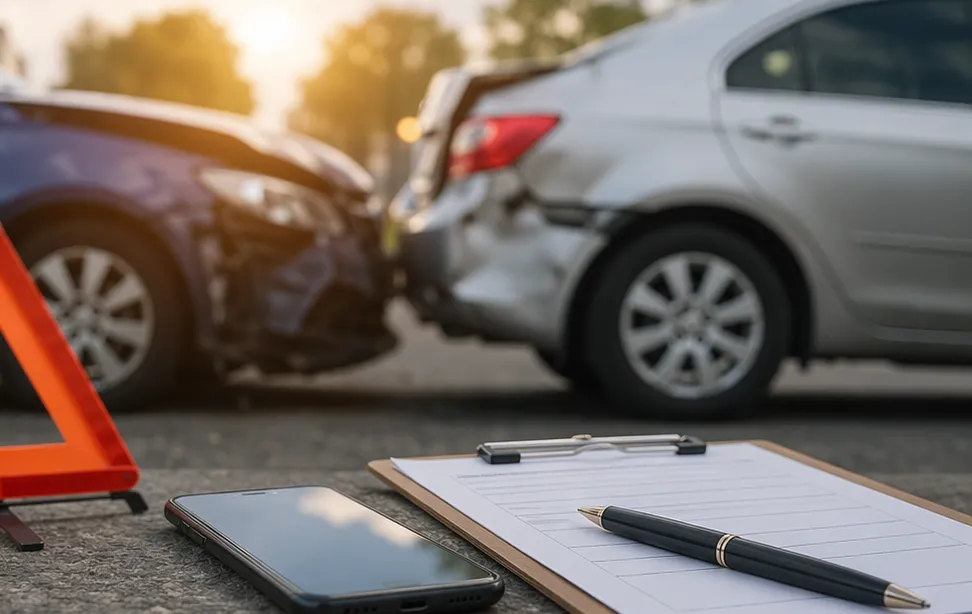

A car accident can be overwhelming and confusing, especially in busy areas like Las Vegas, Nevada. Knowing what to do right after a crash can protect your health, your rights, and your ability to get fair compensation later.
This guide explains the most important steps to take after a car accident in Nevada in simple, clear terms.
1. Check for Injuries and Call 911
Your first priority is safety. Check yourself and others for injuries. If anyone is hurt, call 911 immediately.
Even if injuries seem minor, emergency services should still be contacted so medical help and police can arrive at the scene.
2. Move to a Safe Location
If the accident is minor and the vehicle can be moved, shift it to the side of the road to avoid further danger. Turn on hazard lights to alert other drivers.
Do not stand in traffic or unsafe areas while waiting for help.
3. Report the Accident to Police
In Nevada, most accidents involving injury, death, or significant damage should be reported to law enforcement.
A police report is important because it:
- Documents what happened
- Records driver and witness information
- Helps support your insurance or legal claim
Always request a copy of the accident report.
4. Gather Evidence at the Scene
If you are able, collect as much information as possible. This can strongly support your case later.
Important evidence includes:
- Photos of vehicle damage
- Photos of the accident scene
- License plate numbers
- Driver and insurance details
- Contact information of witnesses
Even small details can make a big difference in proving fault.
5. Seek Medical Attention Immediately
You should always see a doctor after a car accident, even if you feel fine. Some injuries take hours or days to appear.
Medical records are also important because they link your injuries directly to the accident, which is essential for any personal injury claim.
6. Do Not Admit Fault
Avoid making statements like “it was my fault” or guessing what happened. Fault is determined through investigation, not at the scene.
Be polite and cooperative, but only share basic facts with police and insurance representatives.
7. Notify Your Insurance Company
Report the accident to your insurance company as soon as possible. Provide accurate information, but avoid giving recorded statements without understanding your rights.
Insurance companies may try to reduce payouts, so be careful with what you say.
8. Avoid Accepting Early Settlement Offers
Insurance companies often offer quick settlements after an accident. These offers are usually lower than what your case is actually worth.
Once you accept an offer, you typically cannot ask for more money later, even if your injuries get worse.
9. Understand Nevada Fault Laws
Nevada follows a comparative negligence system. This means:
- You can still recover compensation even if you are partially at fault
- Your compensation is reduced by your percentage of fault
- If you are 50% or more at fault, you may not recover damages
Understanding this rule is important when handling your claim.
10. Contact a Personal Injury Lawyer
A lawyer can help protect your rights after a car accident in Nevada. They handle negotiations, gather evidence, and ensure you are not pressured into a low settlement.
Legal help is especially important if:
- You were injured
- Fault is disputed
- Insurance company denies your claim
- Multiple vehicles are involved
Most personal injury firms work on a no win, no fee basis, meaning there is no upfront cost.
Final Thoughts
Knowing what to do after a car accident in Nevada can make a major difference in your recovery and financial outcome. Taking the right steps early helps protect your health, strengthens your claim, and prevents costly mistakes.
If you’ve been involved in a crash in Las Vegas or anywhere in Nevada, acting quickly is the best way to protect your rights and secure fair compensation.
Need Help After a Car Accident in Nevada?
If you are unsure about your next steps or dealing with insurance pressure, speaking with a personal injury lawyer can help you understand your options and value of your case.
Contact Hines Law Firm today for a free consultation.